Importing a car to Armenia in 2026: the complete customs guide
Duty, VAT, the environmental fee and the EV exemption — every payment explained with a worked example, plus the documents you need at the border.

Bringing a car into Armenia is cheaper than most buyers assume — and more paperwork than they hope. Since Armenia applies the EAEU common customs tariff, the total cost of an import is set by four numbers: the customs value, the engine size, the vehicle's age, and its fuel type. Get those four right and you can price an import to within a few percent before you ever bid.
This guide covers private imports by individuals. Commercial importers follow a different fee schedule and are outside its scope.
Who pays what at the border
Every petrol or diesel import owes three payments, all calculated from the customs value — the purchase price plus delivery to the Armenian border:
- Customs duty — a percentage of customs value, or a per-cm³ minimum, whichever is higher. The rate depends on engine size and age (table below).
- VAT — 20% — charged on customs value plus the duty, not on the price alone. This compounding is the line most first-time importers miss.
- Environmental fee — scales with age; negligible for cars under 3 years, meaningful past 10.
2026 duty rates by engine and age
Rates below are the passenger-car schedule for private individuals. The per-cm³ floor is what actually binds for cheap cars with big engines.
| Vehicle age | Engine ≤ 1,000 cm³ | 1,000–2,000 cm³ | 2,000–3,000 cm³ |
|---|---|---|---|
| Under 3 years | 15% · min €1.4/cm³ | 15% · min €1.5/cm³ | 15% · min €1.8/cm³ |
| 3–5 years | €1.5/cm³ | €1.7/cm³ | €2.5/cm³ |
| 5–7 years | €1.6/cm³ | €2.0/cm³ | €3.0/cm³ |
| Over 7 years | €2.0/cm³ | €2.7/cm³ | €4.0/cm³ |
Note the jump at the 7-year mark: it is why 6-year-old cars import so much better than 8-year-old ones, and why listing prices cluster there.
The single biggest lever is age at the date of crossing — not the date of purchase. A car that turns seven mid-shipment pays the seven-year rate.
The EV and hybrid exemption
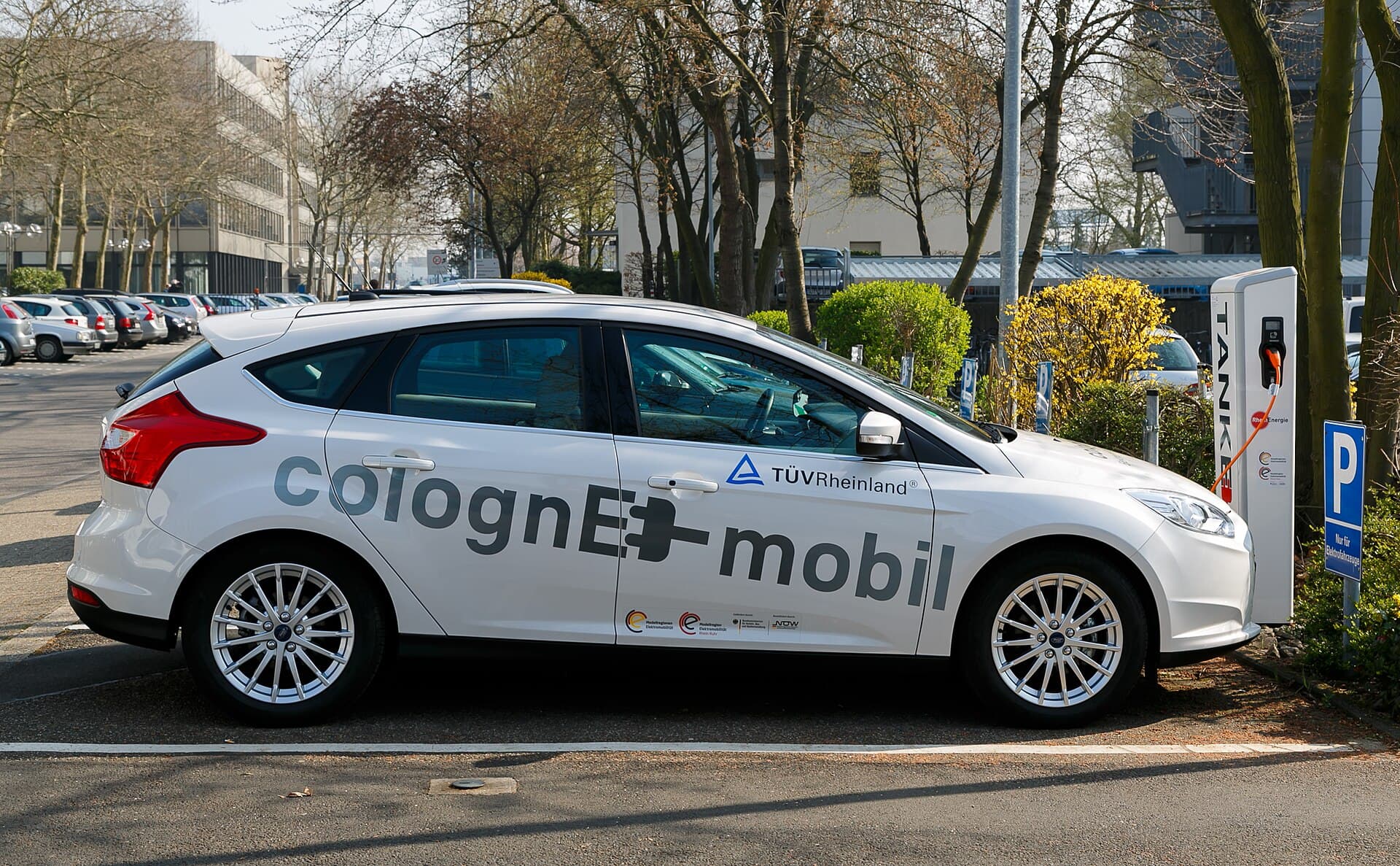
Fully electric vehicles are exempt from customs duty and VAT through the end of 2026. You pay only the environmental fee and registration. Hybrids get no exemption — they are taxed by their petrol engine's displacement like any other car.
The exemption applies per person, once per year, and the car must be registered in your name. Buying "under someone else's quota" is the most common scheme that ends with a car stuck in customs storage — storage fees run daily.
Worked example: 2021 RAV4 from Georgia
A 2021 Toyota RAV4, 2.0L (1,987 cm³), bought in Tbilisi for $19,500 with $400 delivery to Bagratashen. Age at crossing: 5 years 2 months.
| Line | Basis | Amount |
|---|---|---|
| Customs value | Price + delivery | $19,900 |
| Customs duty | 1,987 cm³ × €2.0 | ≈ $4,290 |
| VAT 20% | (value + duty) × 0.2 | ≈ $4,840 |
| Environmental fee | 5–7 year band | ≈ $95 |
| Total at the border | ≈ $9,225 |
Landed cost: roughly $29,100 before registration and plates. Run your own numbers in the customs calculator before you commit — for popular crossovers, the import margin has narrowed to under 8% this year.
Documents checklist
- Purchase contract or auction invoice (with a certified translation if not in Armenian or Russian).
- Title / export certificate from the country of origin.
- Your passport and social card; a notarized power of attorney if a broker clears for you.
- Transit declaration if the car crosses a third country (nearly all Georgian routes).
- Proof of payment for the car — bank transfer record preferred; large cash deals get flagged.
Common mistakes
- Declaring an unrealistically low price. Customs uses reference databases; undervalued declarations are reassessed and delayed.
- Ignoring the age cutoffs. Check the manufacture date on the VIN plate, not the model year.
- Forgetting the VAT compounding. Budget VAT on value + duty, or you will be ~15% short.
- Skipping the history check. Auction damage grades follow the car — check the listing history on the marketplace before bidding, not after.
If the numbers work, the process itself is routine: clearance at Bagratashen averages one working day when documents are complete. Price it first, then bid.
Guides and market analysis from the Autogo team, checked against the current legal schedule before publishing.